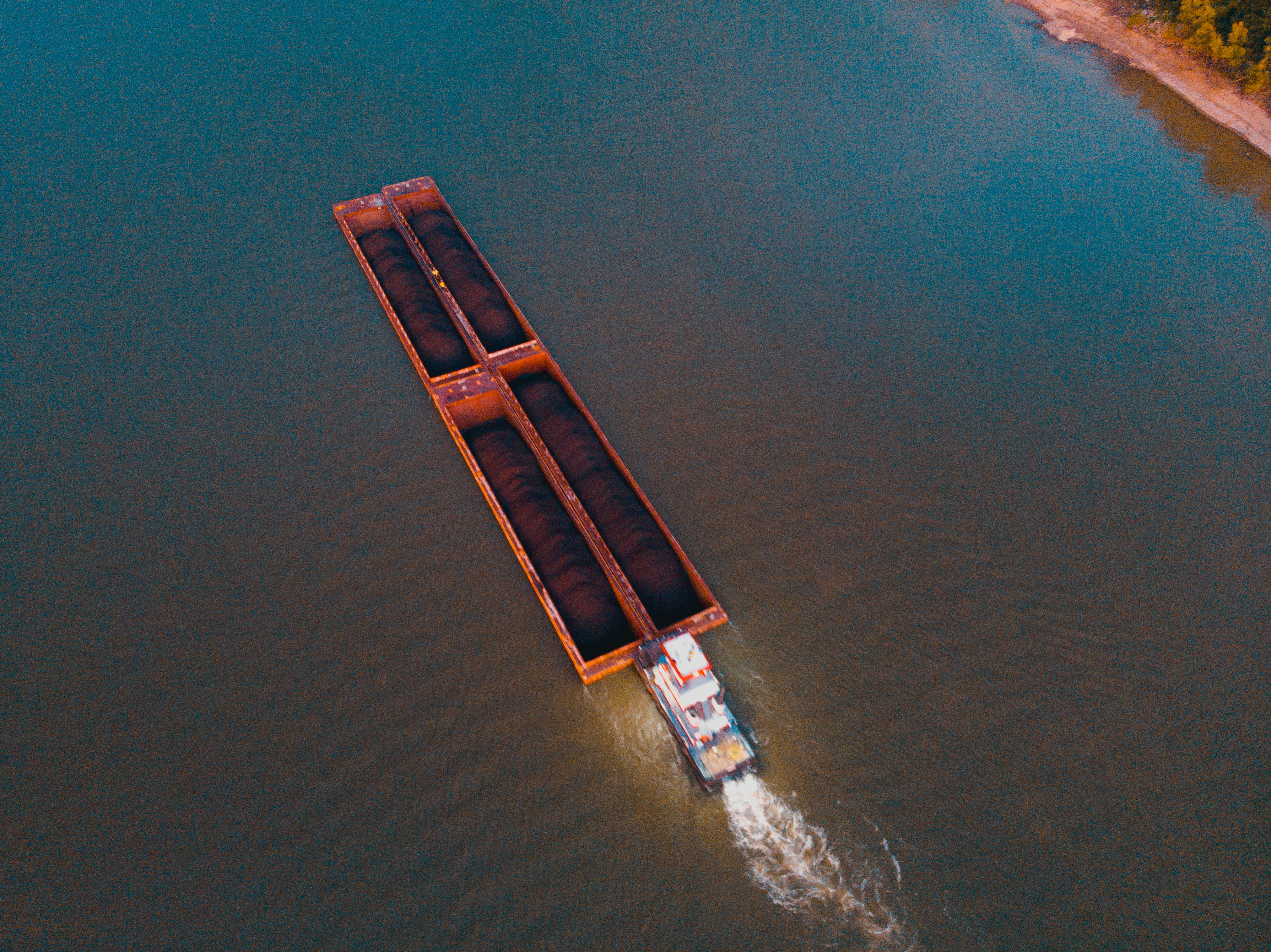
What Are Barges and How Do They Operate?
Barges are flat-bottomed vessels primarily designed for the transportation of goods and materials on inland waterways. Their unique structure allows for stability in calm water conditions, making them particularly effective for moving bulk cargo such as coal, grain, and heavy equipment. A barge’s design often prioritizes maximized cargo space over speed, resulting in significant capacity to load large quantities more efficiently than other modes of transport.
Operating primarily along rivers and canals, barges are typically towed or pushed by tugboats, which offer the power necessary to navigate through various water conditions. They can also be self-propelled in some configurations, known as self-propelled barges, which provide added flexibility in their operational capabilities. Unlike trucks or ships, which may require substantial infrastructure for loading and unloading, barges often transport goods directly to ports or terminals situated along the waterways, making them an efficient choice for regions with extensive river networks.
There are several types of barges, each serving different purposes. For instance, dry cargo barges are commonly used for solid materials, while liquid tank barges are equipped for transporting liquids, including petroleum products or chemicals. Moreover, specific designs cater to particular functions, such as hopper barges that feature a curved bottom for easy unloading of bulk materials. This versatility distinguishes barges from other transportation forms and highlights their vital role in the logistics and supply chains of various industries.
Recognizing the advantages and operational characteristics of barges sheds light on their essential contribution to cargo transport. As they continue to play a significant role in freight movements, understanding their mechanics helps identify why logistics professionals rely on them in the supply chain.
Major Benefits of Using Barges for Cargo Transport
In the realm of cargo transport, barges offer several significant advantages that enhance efficiency, reduce costs, and promote environmental sustainability. These flat-bottomed vessels are designed to operate in shallow waterways, making them particularly advantageous for transporting bulk goods over distances that may be unsuitable for larger ships or traditional freight methods.
One of the primary benefits of using barges for cargo transport is their cost-effectiveness. Barges can carry large quantities of goods, which allows for a lower cost per ton compared to truck or rail transportation. According to industry studies, barge transport can be up to 50% more economical than transporting the same cargo by road. This is largely due to the lower fuel consumption and labor costs associated with operating barges, creating a more attractive option for shippers looking to minimize expenses.
Moreover, barges excel in terms of environmental impact. They emit significantly less CO2 per ton-mile than trucks or trains, contributing to a greener transportation sector. A report from the American Waterways Operators indicates that moving cargo via barge can reduce greenhouse gas emissions by as much as 60%. This environmental benefit aligns with increasing global emphasis on sustainable practices in logistics and transportation.
Additionally, the efficiency of barge transport cannot be overlooked. Barges can navigate rivers, canals, and coastal waters that may be inaccessible to larger ships or ground transport methods. This versatility can lead to shorter delivery times and improved logistics, benefiting industries reliant on timely cargo delivery.
How Do Barges Contribute to Sustainable Shipping?
Barges play a significant role in promoting sustainable shipping practices, particularly due to their inherent advantages over traditional transport methods. One of the primary environmental benefits of using barges for cargo transport lies in their markedly lower carbon emissions. Compared to trucks and trains, barges consume significantly less fuel per ton-mile, which directly contributes to a reduction in greenhouse gases. This efficiency makes them an attractive choice for companies looking to lower their carbon footprint while enhancing their supply chain sustainability.
Moreover, the use of barges helps alleviate road congestion. With an increasing number of goods being shipped across regions, road networks often face severe traffic conditions, resulting in longer transit times and higher emissions. By transferring cargo onto barges, it is possible to transport larger quantities of goods on waterways, thereby reducing the number of trucks on the road. This shift not only decreases vehicular emissions but also minimizes road maintenance costs associated with heavy truck traffic.
Another noteworthy advantage of barges is their ability to conserve energy. Water transportation is generally more energy-efficient than land-based methods, primarily because of the reduced friction and resistance encountered on rivers and canals. Barges can carry substantial volumes of cargo without the need for excessive energy consumption, making them a crucial aspect of the energy-efficient transport equation. By utilizing this form of transport, companies can significantly lower their overall energy expenditure and contribute to a more sustainable shipping industry.
What Types of Cargo Can Be Transported by Barges?
Barges are a form of flat-bottomed boat that are extensively utilized in the transportation sector due to their versatile capabilities. Their ability to carry various types of cargo makes them an essential mode of transport for many industries. The predominant types of cargo transported by barges include bulk materials, liquid cargo, and containers, each serving a distinct purpose.
Firstly, bulk materials such as coal, grain, sand, and aggregates represent a significant portion of cargo transported by barges. The flat structure of a barge allows for efficient loading and unloading of these heavy materials, often using cranes or conveyor systems. This adaptability not only facilitates the transport of large volumes but also enhances operational efficiency, making it a preferred choice for companies dealing with bulk commodities.
In addition to bulk cargo, barges are also designed to carry liquid cargo, which includes products such as petroleum, chemicals, and other liquids. Specialized tank barges are engineered to ensure the safe transport of these materials, minimizing the risk of spillage and environmental hazards. These tank barges feature sturdy construction and compartmentalization, which help maintain the integrity of the liquids during transit, further showcasing the versatility of barges in accommodating diverse cargo needs.
Moreover, containerized cargo is another significant category transported by barges. Various sized containers can be loaded onto barges, creating an effective intermodal transport solution. This capability allows for integration with other transportation methods, such as trucks and ships, thus ensuring a seamless transition throughout the supply chain.
In conclusion, the wide range of cargo types that can be transported by barges demonstrates their essential role in modern logistics. From bulk materials to liquid products and containerized goods, the efficiency and adaptability of barges meet various cargo transport needs, providing a reliable solution for businesses across sectors.
Are Barges Cost-Effective Compared to Other Transportation Methods?
Barges have emerged as a significant player in the logistics and transportation industry, particularly for cargo movement across inland waterways. One of the primary advantages of utilizing barges is their cost-effectiveness, especially when compared to other transportation methods like trucks and freight ships. The analysis of operating costs reveals that barges generally have lower fuel consumption per ton-mile, which can result in substantial savings for shipping companies.
When juxtaposed with trucking, the cost-effectiveness of barge transport becomes more evident. Trucks require more frequent maintenance and incur higher fuel costs, which can escalate rapidly depending on fuel market fluctuations. In contrast, barges are designed to carry larger volumes of cargo, allowing for economies of scale that can reduce the overall cost per unit of freight transported. Additionally, the steady nature of waterway transport means that barges are less susceptible to traffic delays, which can lead to further savings in operating costs.
Freight ships, while effective for international shipping, can come with high port fees and longer transit times for inland delivery. Barges, with their ability to access inland ports directly, often eliminate the need for transferring goods between different transport modes, thereby reducing additional charges. When considering maintenance costs, barges generally boast longer service lives and require less upkeep compared to their ocean-going counterparts, which contributes to lower long-term operating expenses.
Overall, the use of barges for cargo transport can translate into significant savings over time when one assesses the full spectrum of costs involved. By minimizing fuel consumption, maximizing cargo capacity, and reducing wear and tear through lowered frequency of transit, barges present a compelling financial advantage in the logistics landscape.
What Role Do Barges Play in Global Trade?
Barges are integral to the infrastructure of global trade, serving as vital links in the supply chain that facilitate the movement of goods across various waterways. Their unique design enables them to navigate inland rivers, canals, and coastal areas, connecting remote regions often inaccessible by other means of transportation. These watercraft can transport large volumes of cargo efficiently, making them indispensable in the global shipping ecosystem.
The ability of barges to carry diverse cargo types—including bulk, containerized, and liquid products—allows them to play a multifaceted role in international trade. They operate as crucial connectors between manufacturing hubs and major ports, enabling goods produced in landlocked areas to reach international markets. This connectivity is especially important for countries with extensive river systems where traditional road or rail networks may be underdeveloped or congested.
Furthermore, barges significantly contribute to the sustainability and environmental aspects of global trade. They generally have a lower carbon footprint compared to trucks and trains when transporting the same amount of cargo. This efficiency not only reduces transportation costs for businesses but also promotes greener trade practices as the maritime transport sector increasingly addresses environmental concerns.
Moreover, barges enhance the reliability of supply chain logistics by offering an alternative mode of transport that operates independently of road congestion or rail delays. They provide a predictable solution for shippers looking to optimize their operations and ensure that goods are delivered on time. Therefore, the role of barges in global trade extends beyond mere transportation; they are critical to maximizing efficiency, reducing costs, and promoting sustainability in the ever-evolving landscape of international logistics.
Challenges Faced by Barges in Cargo Transport
While barges serve as a crucial mode of transporting cargo, they are not without their challenges. One significant issue is navigation. Barges are typically large vessels that require deep water channels, which may not always be available. Shallow waterways can hinder their movement, making it difficult to transport goods to certain regions, especially in remote areas where infrastructure is underdeveloped.
Moreover, barges are often limited by the weather. Strong winds, turbulent waters, and storms can significantly impede a barge’s ability to operate safely. Such adverse weather conditions can lead to delays in the delivery of cargo, affecting the supply chain. Unlike trucks or planes, barges are less agile and take longer to reroute or adapt to changing weather conditions, which can result in increased operational costs and potential penalties for late deliveries.
In addition to navigation and weather challenges, infrastructure limitations pose a significant hurdle for barge transport. Many ports are not equipped with the necessary facilities to handle barge operations efficiently. Insufficient loading and unloading equipment can increase turnaround times, creating bottlenecks in the transport process. Furthermore, aging infrastructure in some locations might restrict large barge access, leading to further delays and increasing the risk of transportation inefficiencies.
Despite these challenges, the scalability and cost-effectiveness of barge transport often outweigh the disadvantages. However, addressing navigation difficulties, weather uncertainties, and inadequate infrastructure remains vital for the continued success and growth of cargo transport via barges. By investing in advanced navigation technologies and improving infrastructure, the industry can better mitigate these challenges and enhance the effectiveness of barge transport.
Impact of Infrastructure Developments on Barge Use
As global trade continues to expand, the demand for efficient cargo transport solutions has grown significantly. Increasing infrastructure developments, particularly in inland and waterway systems, directly influence the effectiveness of barge transport. Improved infrastructure facilities, such as modernized ports and enhanced locks, facilitate smoother navigation for barges, ultimately maximizing their utilization for cargo transport.
The construction and upgrading of ports are pivotal in this context. Enhanced port facilities increase the capacity to handle larger volumes of goods, directly benefiting barge transport. More efficient docking processes, expanded storage capabilities, and advanced cargo handling systems enable quicker turnaround times for vessels. This efficiency is vital in maintaining the reliability of supply chains, particularly in an economy where time is of the essence.
Additionally, the development of locks along inland waterways plays a crucial role in supporting barge transport. Improved locks increase the accessibility of rivers and canals, allowing barges to navigate longer distances and connect to more markets. This extended reach not only enhances trade routes but also promotes cost-effective transport, as barges can carry substantial cargo loads compared to trucks or trains.
Furthermore, the integration of technological advancements into infrastructure has streamlined operational processes. For instance, real-time data collection and monitoring can optimize barge routes, reduce delays, and enhance safety. These technological improvements, alongside robust infrastructure development, pave the way for a more resilient barge transport system.
In conclusion, the rise in infrastructure development significantly benefits the barge transport sector. Improved ports and locks enhance navigation capabilities and operational efficiency, ultimately making barges a more appealing choice for cargo transport across various industries.
What Is the Future Outlook for Barge Transportation?
The future of barge transportation appears promising as several factors converge to enhance its role in the global logistics chain. One of the primary drivers is the advancement of technology in navigation and cargo management systems. Modern barges equipped with sophisticated automation, GPS tracking, and real-time data analytics have the potential to improve operational efficiency, reduce transit times, and ensure the safety of goods being transported. These innovations allow for better route planning and fuel consumption management, addressing environmental sustainability concerns that are becoming increasingly relevant in the transportation sector.
Additionally, regulatory frameworks are evolving to support and promote the use of barges. Governments and environmental agencies are encouraging shipping practices that minimize carbon footprints, offering incentives for companies that adopt more eco-friendly transportation methods. Barge transportation, known for its low emissions compared to road and air transport, stands to gain from these regulatory advancements and may see increased government support and investment in infrastructure.
Market demand is another critical element influencing the future of barge transportation. As industries continue to seek cost-effective and sustainable logistics solutions, the reliance on barges for bulk cargo transport is likely to increase. This shift can be attributed to the growing emphasis on sustainability and the need for organizations to reduce transport costs while navigating global supply chain challenges.
In conclusion, barge transportation’s future is shaped by technological advancements, favorable regulatory changes, and increased market demand for sustainable freight options. As these trends continue to develop, barges are expected to play an increasingly vital role in cargo transport, ensuring efficiency and environmental responsibility in the logistics sector.